Every family has the one person who takes over whenever there is meat involved. Mine does, and this is the kind of thing you buy for them.
SYOKAMI sent me their Classic butcher set to try, and the thing that struck me first is that it is not three versions of the same knife. It is three knives that each do a different job, which is the whole point of a set like this and the reason a single chef knife will not get you there.
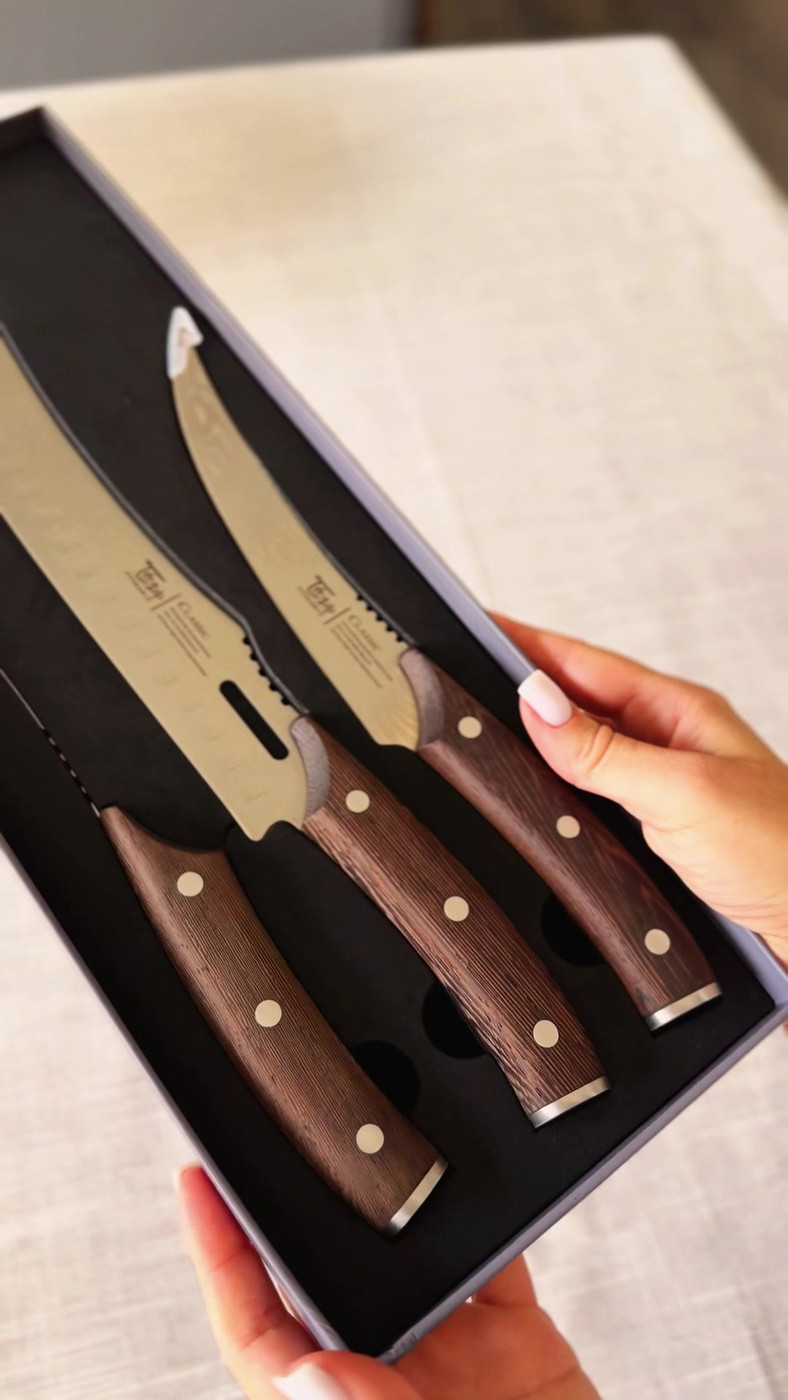
What is in the set
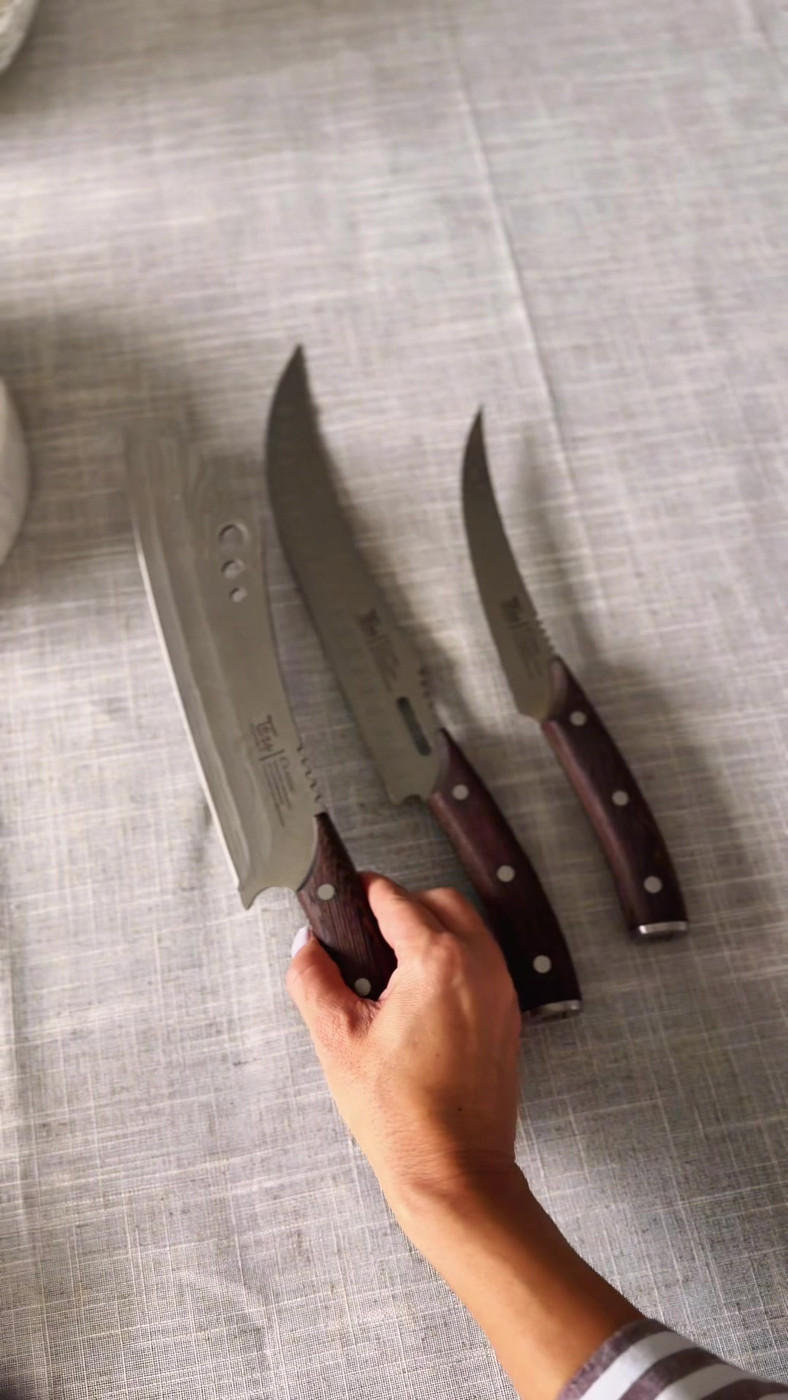
The cleaver. This is the one for going straight through. Thick handle, heavy blank, and enough blade that you are not sawing at anything. If you are breaking down a whole chicken or portioning a large cut, this is the knife that does the work.
The breaking knife. The long curved one. It is for slicing down a big piece of meat in one pass and for trimming fat, and the curve is what lets you do that without stopping halfway. The blade is tapered, which is why it moves through without you leaning on it.
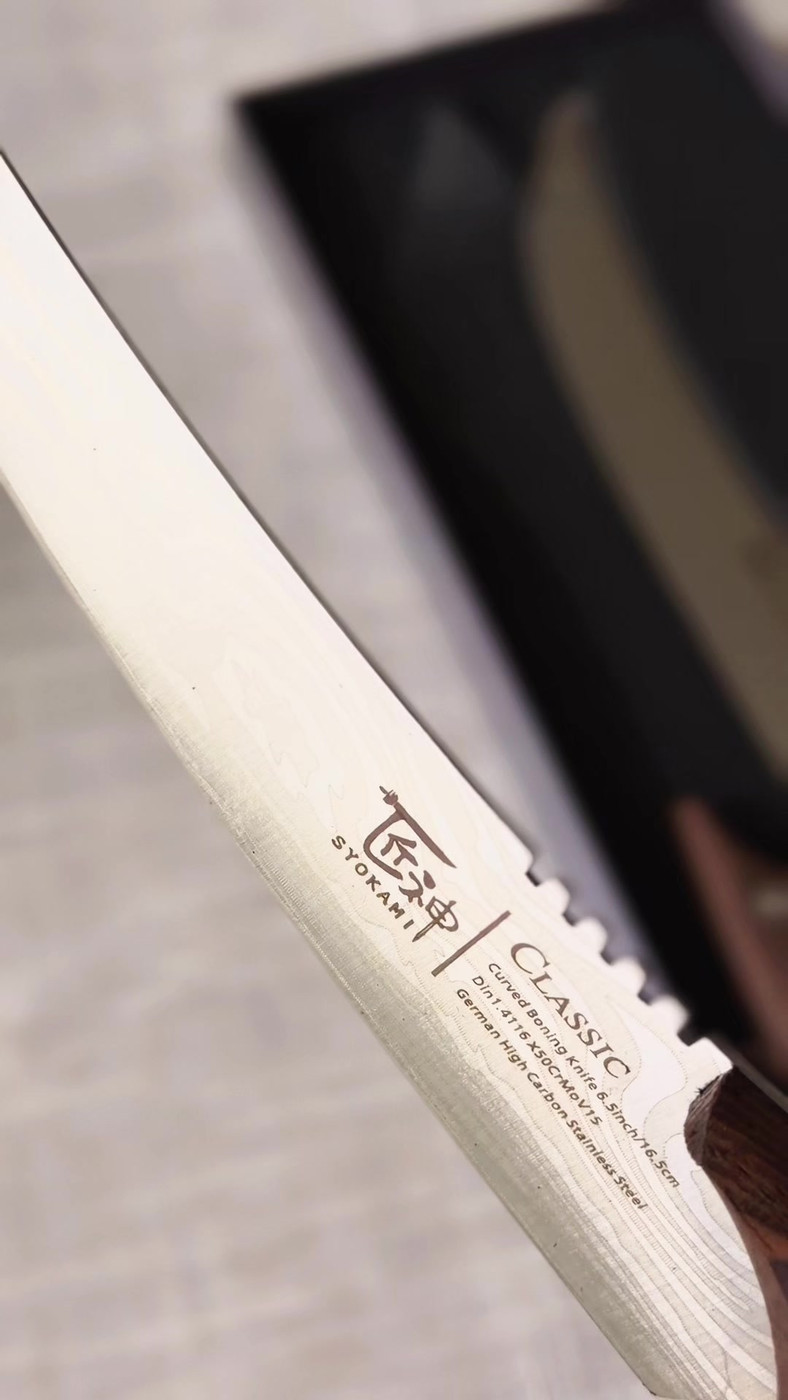
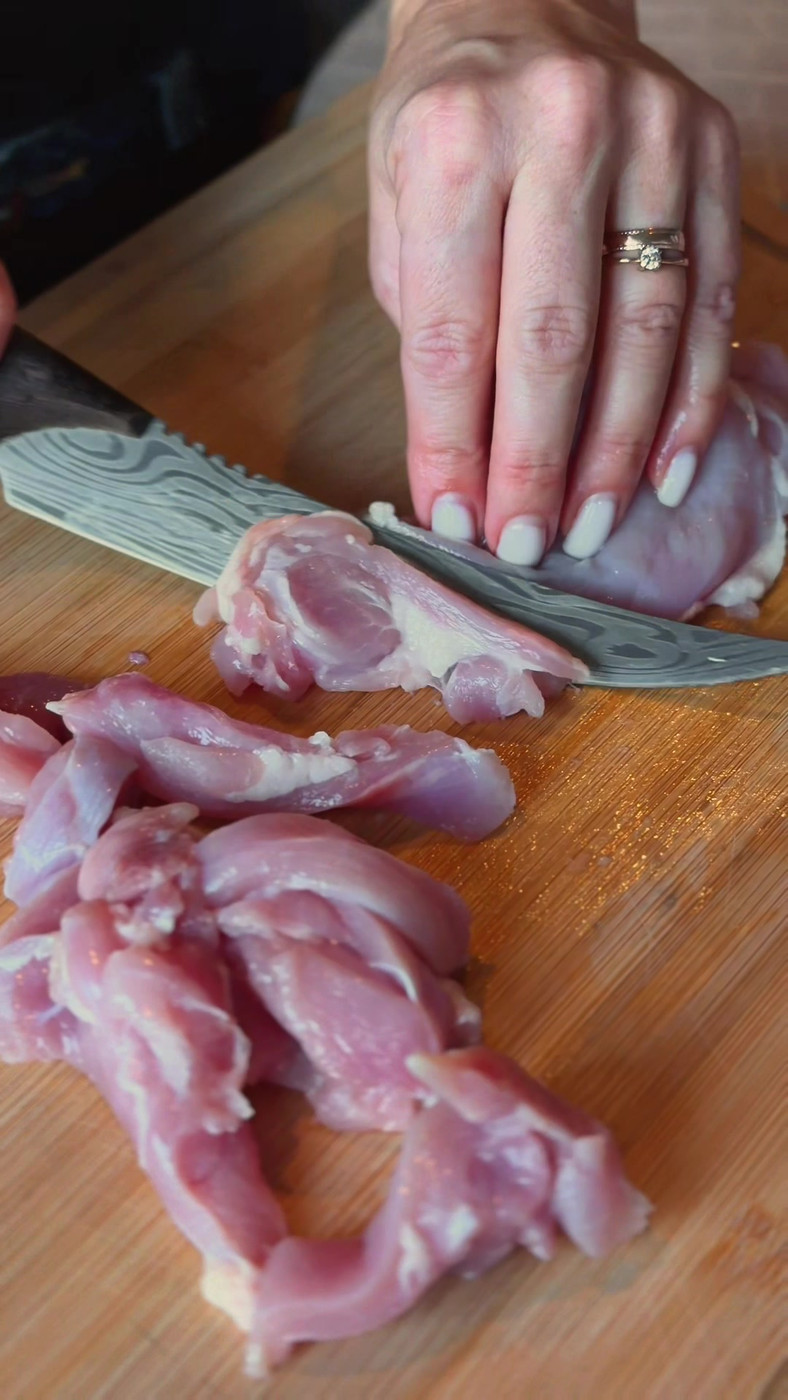
The boning knife. This is the one I did not expect and the one I would buy the set for. It is curved and it actually flexes, about twenty degrees, so it follows the shape of the bone instead of fighting it. Taking meat off a chicken carcass or a rack of ribs is a completely different job with a blade that bends.
Most home kitchens have a chef knife and a paring knife and nothing in between. A flexible boning knife is the gap, and almost nobody buys one for themselves, which is exactly what makes it a good gift.
How they feel to use
They are lighter than I expected. I had it in my head that a serious knife should be heavy, and I thought the weight being low was a mark against them until I actually used them.
It turns out that is a design choice rather than a shortcut. Heavier knives are the German tradition, where some of the force comes from the weight of the blade itself. Lighter and thinner is closer to the Japanese approach, where the edge does the work and you guide it. Neither one is better, they just ask different things of you. What I noticed is that my wrist was fine after working through a whole chicken, which has not always been true.
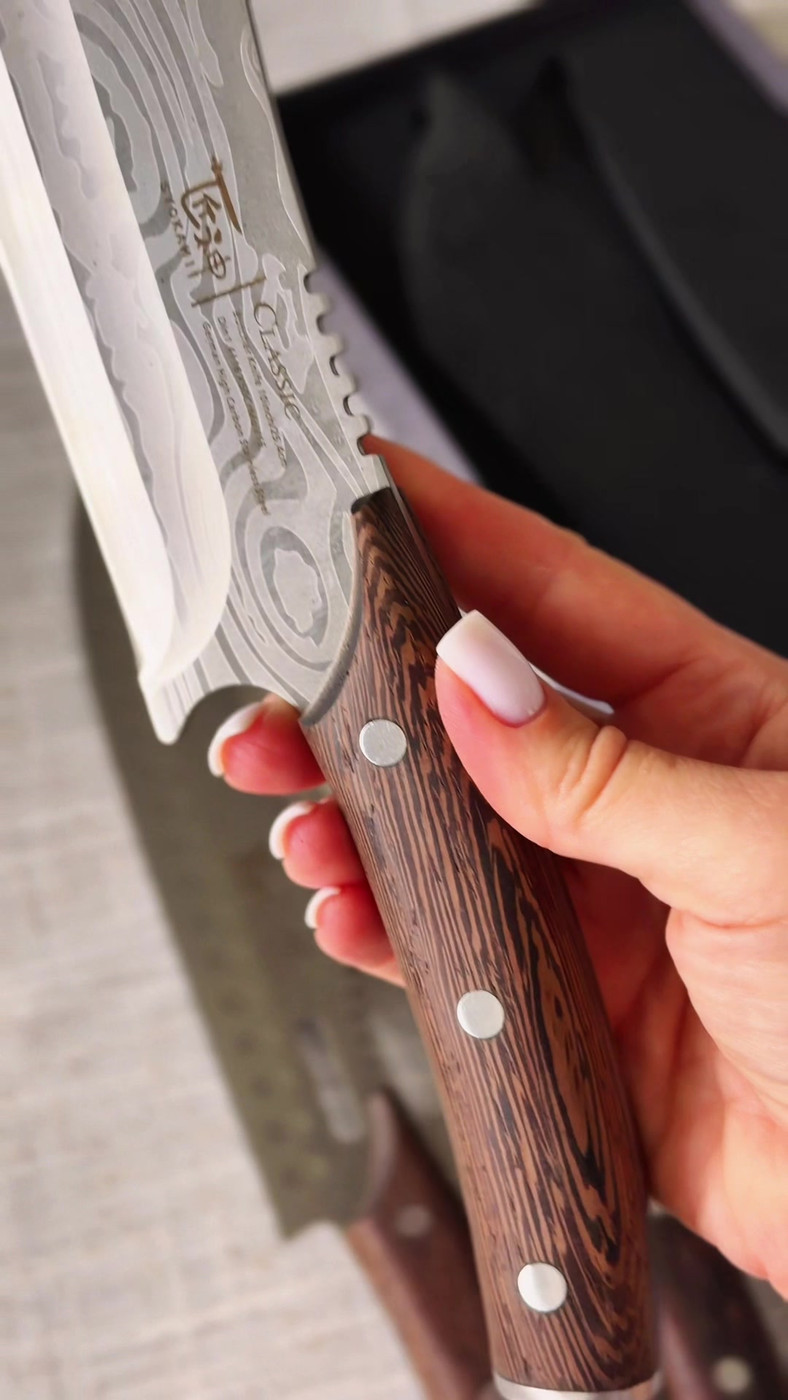
The handles are wenge, a dense dark hardwood, with three rivets and a grooved grip so they do not slide when your hands are wet. They are FSC certified, which is worth knowing if that matters to you.
What to know before you buy
Hand wash them. Wooden handles and a dishwasher do not get along. The heat and the detergent dry the wood out and loosen it around the rivets over time. Wash them, dry them, put them away. That is true of any wood handled knife, not just these.
The steel is a middle hardness, around 56 on the Rockwell scale. In plain terms that means it takes an edge easily and you can sharpen it yourself at home without special equipment, and it also means it will need sharpening sooner than a very hard Japanese blade would. For most people that is the better trade, because a blade you can actually maintain beats one you are afraid to touch.
It comes in a presentation box, not a block. The box is genuinely nice and it is ready to give as it is, but you will want somewhere to keep them afterward.
Where to get them
You can find the set here: SYOKAMI Classic butcher knife set
Use code OLF04R2B at checkout, good through November 13.
The knives were gifted by SYOKAMI. The links are affiliate links and I may earn a small commission.


Leave a Reply